
Tiger Safari in Pench: The Ultimate Guide to India’s Jungle Book Reserve
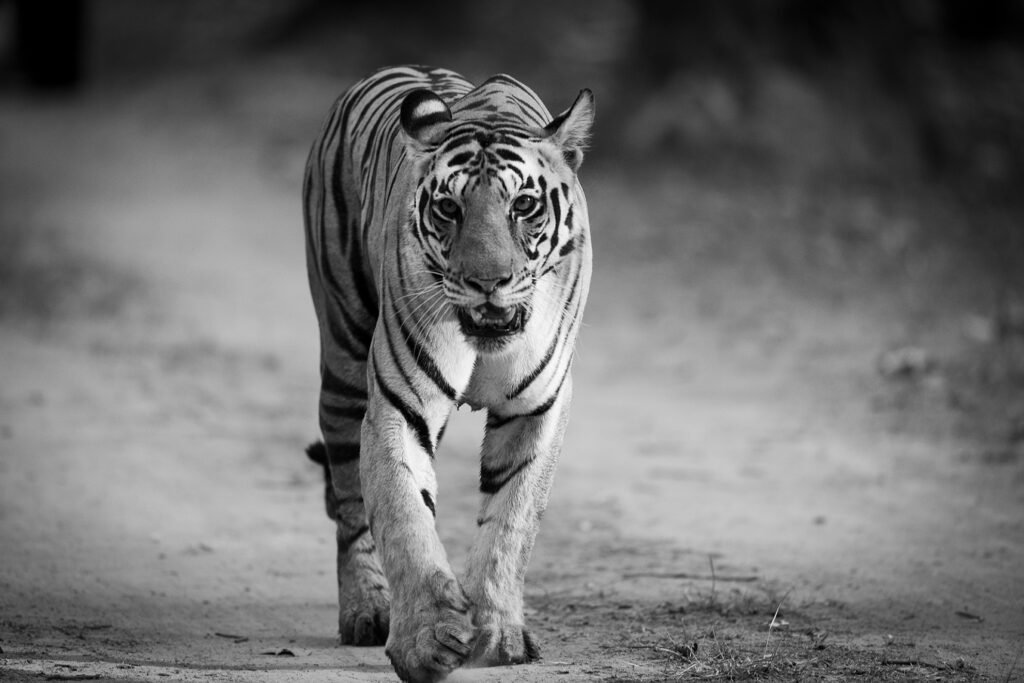
Long before tourism discovered it, Pench was already immortal — the forest that whispered to Rudyard Kipling and gave Mowgli his jungle. Today, it remains one of India’s most thrilling stages for encountering the Bengal tiger in the wild. Straddling the border of Madhya Pradesh and Maharashtra in the heart of Central India, Pench Tiger Reserve is a landscape so rich and so alive that simply moving through it feels like entering a different world.
ABOUT PENCH NATIONAL PARK & TIGER RESERVE
Pench Tiger Reserve takes its name from the Pench River, a shimmering seasonal lifeline that flows north to south through the reserve, dividing the park into two near-equal halves and sustaining an extraordinary web of life. Designated a wildlife sanctuary in 1965 and elevated to a national park in 1975, Pench was brought under the Project Tiger umbrella in 1992 — marking the beginning of a conservation success story that continues to this day.
The reserve covers over 758 square kilometres of dense teak forests, open grasslands, and riverine habitats spread across the Seoni and Chhindwara districts of Madhya Pradesh, with an additional 257 square kilometres in Maharashtra. The Madhya Pradesh portion is divided into two sections: the Priyadarshini National Park, the core zone of approximately 299 square kilometres, and the Mowgli Pench Sanctuary, surrounded by an expansive buffer zone of 464 square kilometres.
The forests are dominated by teak, tendu, saja, and bamboo, creating a layered canopy that shifts from dense green in winter to dramatic golden-bronze as summer arrives. The Pench River and its seasonal tributaries feed a series of waterholes that become the stage for some of wildlife watching’s most theatrical moments — tigers lounging at the bank, herds of spotted deer tiptoeing to the last puddles, and wild dogs hunting in chaotic, thrilling packs.
Pench is widely believed to have inspired Rudyard Kipling’s The Jungle Book. The langurs watching from sal trees, the dholes hunting through the undergrowth, the great gaur moving like shadows through the teak — this is Mowgli’s forest, and you feel it the moment you enter.
WHY PENCH STANDS APART
India has many tiger reserves, but Pench occupies a particular niche. It delivers a genuine, undiluted wilderness experience without the overcrowding that can overwhelm more famous parks. Several qualities make it extraordinary.
The cultural resonance of Pench is unmatched. For many visitors, a safari here carries an almost literary dimension — you are inside the story, not merely observing it. Beyond the mythology, Pench has emerged as one of India’s most productive tiger habitats, with a population of over 50 tigers roaming the reserve. Several individuals, including the legendary tigress Collarwali who raised an extraordinary number of cubs during her lifetime, have made Pench the subject of international wildlife documentaries. The density of prey species — particularly chital and sambar — supports a healthy, visible predator population.
Even on a safari where the tiger remains elusive, Pench never disappoints. The reserve hosts 40 species of mammals and more than 250 species of birds. Wild dogs, leopards, sloth bears, Indian gaur, nilgai, and mugger crocodiles all share this landscape. The birdlife alone — crested serpent eagles, Indian rollers, hornbills, paradise flycatchers, kingfishers along the river — is spectacular in its own right.
Strict limits on vehicles per zone ensure the safari experience retains its quality. The mandatory presence of trained naturalists deepens every outing, turning raw sightings into genuine understanding. Compared to busier parks, Pench offers a quieter, more meditative entry into the Indian jungle.
PENCH SAFARI ZONES AND ENTRY GATES
Pench is divided into seven zones — three in the core area and four in the buffer zones — each with its own character, wildlife profile, and atmosphere. Choosing the right zone significantly shapes your experience.
Turia Gate is the most popular entry point, located near the Madhya Pradesh–Maharashtra border. It is renowned for frequent tiger sightings and contains key attractions including the Baginnalla waterhole, Junewani waterbody, Pyorthadi rock formations, and Bijamata Lake. The high concentration of resorts nearby makes it logistically convenient. Book early — core zone slots here fill within hours during peak season.
Karmajhiri Zone is quieter and more immersive. It offers dense teak forests with excellent chances of encountering tigers and leopards, along with a rich suite of bird species. Its natural water sources make it particularly rewarding in summer. Ideal for visitors seeking a less-trafficked, more exploratory experience.
Jamtara Zone is another core zone known for diverse habitats ranging from open meadows to riverine corridors. Jamtara rewards patient observers with excellent mammal sightings and superb photography opportunities along its forest tracks.
Rukhad Zone is a buffer zone offering relaxed, unhurried safari drives through beautiful forest. Fewer vehicles share the tracks, making it excellent for photography and birding. Less tiger pressure here, but the overall jungle atmosphere is deeply rewarding.
Wolf Sanctuary is the only zone in Pench where night safaris are government-approved. A completely different experience — spotlights sweep through the darkness, eyes gleam from the undergrowth, and the sounds of the nocturnal jungle fill the air. Indian wolf, porcupines, nightjars, and occasionally leopards and tigers are encountered.
Sillari and Khursapar are buffer zones offering access from the Maharashtra side of the reserve. Sillari can be busy in peak months but delivers beautiful forest scenery. Khursapar Gate is closed on Tuesdays. Both are excellent for birding and offer a relaxed alternative to the core zones.
THE BEST TIME FOR A TIGER SAFARI IN PENCH
Pench is open from October to June each year, closing entirely during the monsoon months of July through mid-October for forest regeneration and animal breeding. Each open season offers a distinct experience.
Winter, from October to February, is the most comfortable time to visit. Temperatures range from 6°C to 31°C and the lush post-monsoon vegetation makes the jungle feel verdant and alive. Birdwatching peaks between November and March as migratory species arrive from colder regions. Wildlife is active throughout, though the dense canopy can occasionally obscure sightings at distance. Peak tourist season runs November to February.
Summer, from March to June, is the undisputed tiger-watching season and the most strategically rewarding time to visit. As water sources shrink dramatically across the reserve, tigers and all other animals are forced to congregate at the remaining waterholes — creating extraordinary, predictable, and extended viewing opportunities that no other season can match. Temperatures climb to 45–50°C by May, but morning and evening safaris remain productive, and the jungle drama is unmatched. Many experienced naturalists regard May as the single best month for tiger sightings in Pench. Book core zone permits as far in advance as possible for this period.
Monsoon, from July to September, sees the park close entirely. Heavy rainfall averaging 1,300mm in July and August floods tracks and makes safari operations impossible. This is the forest’s time to breathe and for animals to breed undisturbed. Plan your visit for October onwards when the park reopens.
WILDLIFE OF PENCH TIGER RESERVE
Pench’s food web is astonishingly intact — a sign of genuine ecological health. The star is always the Bengal tiger, but the supporting cast is equally compelling.
The Royal Bengal Tiger is the apex predator and main draw. With over 50 individuals in the reserve and predictable waterhole behaviour in summer, sighting chances at Pench are among the best in Central India. Leopards are present throughout the reserve but secretive and largely nocturnal. Dawn and dusk safaris near rocky outcrops offer the best opportunity to encounter them.
Wild dogs, known as dholes, are a highlight that surprises many first-time visitors. Packs of these highly social and relentless hunters are often encountered on open forest tracks, sometimes mid-chase after deer herds. The Indian gaur — the world’s largest wild cattle species — moves through Pench’s forests in impressive herds. Encountering one at close range is humbling. Sloth bears are spotted with reasonable frequency near termite mounds, particularly at dawn and dusk.
The spotted deer, or chital, is the most numerous ungulate in the park and a critical prey species. Their alarm calls are an invaluable alert system — experienced naturalists listen carefully to the direction and urgency of a chital’s warning bark as a primary method for locating tigers nearby. Mugger crocodiles inhabit the Pench River and Totladoh Dam. Boat rides in certain areas improve the chances of encountering them basking on the banks.
The birdlife at Pench deserves its own journey entirely. Over 250 species have been recorded, including the Indian roller, crested serpent eagle, Malabar pied hornbill, paradise flycatcher, various kingfishers, owls, and a rich roster of winter migrants. For birdwatchers, the buffer zones in the cooler months offer particularly rewarding mornings.
SAFARI TYPES AND TIMINGS
All safaris in Pench are conducted in open-top four-wheel-drive jeeps, called gypsies, accompanied by a mandatory government-authorised guide and driver. The open vehicle provides unobstructed views and immerses you entirely in the forest atmosphere — you hear everything, smell the dust and the teak, feel the morning chill or the summer heat.
Each gypsy accommodates six visitors. Groups and families can book the entire vehicle for route flexibility. Two sessions run daily. In winter from November to February, morning safaris run from 7:30 AM to 10:30 AM and evening safaris from 3:00 PM to 5:30 PM. In summer from March to June, morning safaris begin at 6:30 AM and end at 9:30 AM, while evening safaris run from 4:00 PM to 6:30 PM.
Morning safaris are the most productive. Animals are returning from nocturnal hunts, moving toward water, and the cool air keeps the jungle alert and active. Evening safaris offer beautiful light for photography and good chances of observing movement toward waterholes as temperatures drop.
The Wolf Sanctuary night safari is a unique offering not found in most other Indian reserves. Approved by the government for this zone only, it provides an entirely different atmosphere — spotlights cutting through forest darkness, the air full of unfamiliar sounds, and the very real possibility of encountering species that daylight never reveals.
Visitors must carry valid government-issued photo ID. Tobacco, alcohol, and single-use plastic are strictly prohibited inside the park. Remain seated at all times. Keep voices low. Never pressure your guide to chase or crowd an animal. The Turia Gate has no afternoon session on Wednesdays, and Khursapar Gate is closed on Tuesdays. The park also observes closures during Diwali, Republic Day, and Holi.
HOW TO BOOK A PENCH TIGER SAFARI
Safari permits in Pench are managed by the Madhya Pradesh Forest Department and can be booked through the official MP Tourism portal or via authorised tour operators. Core zone permits are limited and highly sought after — advance booking is essential, particularly for summer safaris between March and June when core zone morning slots can fill within hours of opening.
The official booking portal opens permits approximately 90 to 120 days in advance. For peak months, particularly April and May, set a calendar reminder and book the moment your travel dates are confirmed. For a seamless experience, booking through a reputable wildlife tour operator is strongly recommended. Good operators secure permits in advance, pair you with expert naturalists who know individual tigers and their territories, and coordinate accommodation near your preferred gate.
At the gate, you will need to provide your full name, date of birth, father’s or spouse’s name, gender, and nationality. International visitors require their original passport. The original ID holder must be physically present — photocopies are not accepted. Safari costs vary by zone and nationality. Contact an authorised operator or the official MP Tourism website for current pricing, as fees are subject to seasonal revision.
EXPERT TIPS FOR YOUR PENCH SAFARI
Book morning core zone safaris first — these are the highest-demand slots and fill fastest, especially in summer. Listen for alarm calls from chital, langurs, and sambar; they will often tell you where a predator is moving long before you see it. Wear earth tones — khaki, olive, brown. Avoid bright colours and white, which disturb wildlife. Bring a warm layer for October to February mornings, as open jeeps are cold at dawn even in Central India’s winter. Keep binoculars accessible at all times, not stored in a bag — sightings are often brief and at distance.
Never pressurise your guide to chase or crowd an animal. Ethical observation protects both the wildlife and the quality of the experience for all visitors. In summer, carry at least two litres of water per person per safari — temperatures exceed 40°C by mid-morning. A dust scarf or buff is essential on dry-season laterite tracks. Attach a strap to every camera and lens, as jeeps jolt hard on rocky sections. Plan for multiple safaris — no single game drive guarantees a sighting, but three or four outings across different times of day dramatically improve your odds and deepen your understanding of the forest.
GETTING TO PENCH NATIONAL PARK
By air, Dr Babasaheb Ambedkar International Airport in Nagpur is the primary gateway, approximately 90 km from the park and well-connected to Delhi, Mumbai, Hyderabad, and Bangalore. Jabalpur Airport is a secondary option at approximately 201 km. By train, Nagpur Junction is the nearest major railway station at roughly 80 km, connected to virtually every major Indian city. Seoni station is closer at 30 km but has limited connectivity. By road, Pench lies on well-maintained national highways. From Nagpur the drive takes 2 to 3 hours. Many resorts offer pickup services from Nagpur on request.
WHERE TO STAY NEAR PENCH TIGER RESERVE
Accommodation around Pench ranges from intimate budget camps to world-class luxury lodges set within the forest edge. Staying close to your safari gate is important — early morning safaris begin before sunrise, and a long pre-dawn drive through unfamiliar roads adds unnecessary stress.
Pench Tree Lodge, a Taj Safaris property, is among the most celebrated luxury options, combining exceptional design with expert resident naturalists. Tiger Corridor Resort and several boutique eco-lodges offer similarly high-end experiences with strong guide networks. Mid-range properties including Pench Jungle Camp, Village Resort, and Tiger Valley Resort provide comfortable stays with good food and reliable safari coordination.
Always book accommodation in the same area as your safari zone. Ask your lodge which zones their permits and guide contacts cover — this alignment between your bed and your forest gate is essential for a seamless trip.
Beyond the safari itself, Pench and its surrounds offer further experiences: pottery-making in the Pachdhar village near Turia Gate, boat rides on the Totladoh Dam and its island chains, guided buffer zone walks at dawn, and the Kariya Summit hill — locally known as Kalia hill — which offers sweeping views across the reserve. The forest, at every scale and in every light, has something to give.
Pench Tiger Reserve is open October to June. The park is closed July to mid-October during the monsoon. Book safaris in advance through the MP Forest Department portal or a licensed wildlife tour operator.